- What Does Training Like a Samurai Mean?
- The Historical Training of Samurai Warriors
- Martial Arts Connected to Samurai Tradition
- Can Tourists Experience Samurai Training in Japan?
- Types of Samurai Training Experiences for Visitors
- Kendo and Other Modern Samurai Martial Arts
- Where to Try Samurai Training in Japan
- Conclusion
What Does Training Like a Samurai Mean?
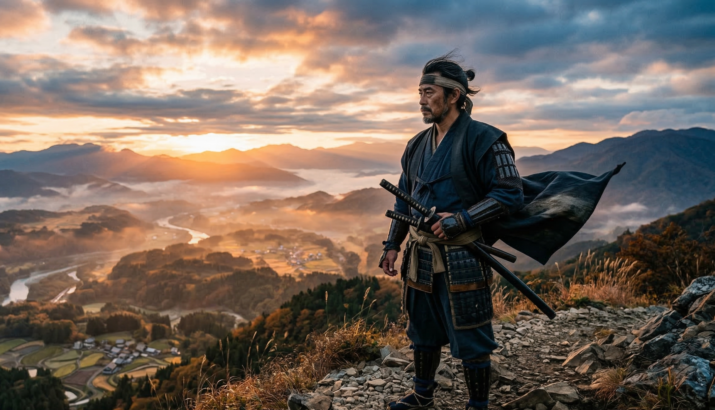
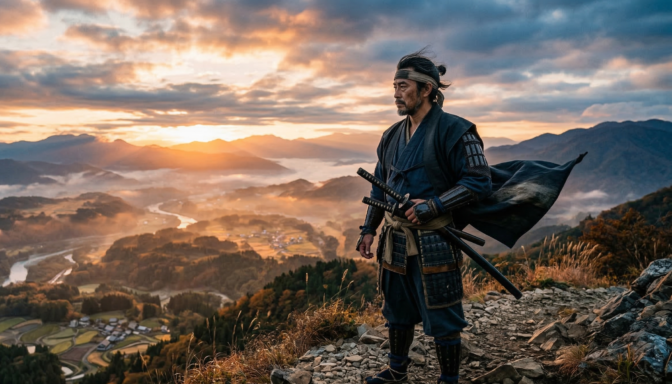
Training like a samurai refers to practicing the disciplines, mindset, and ethical values historically associated with Japan’s warrior class. Rather than simply learning how to fight with a sword, samurai training involved cultivating both physical skill and mental discipline. The goal was to develop character, self-control, and readiness in both body and mind.
Historically, samurai trained in a variety of martial arts, especially swordsmanship, which was central to their role as warriors. Training also included etiquette, strategic thinking, and forms of mental cultivation influenced by traditions such as Zen Buddhism and Confucian philosophy. These elements helped shape what later came to be known as bushido, often translated as “the way of the warrior.” Bushido emphasized values such as discipline, loyalty, respect, and courage.
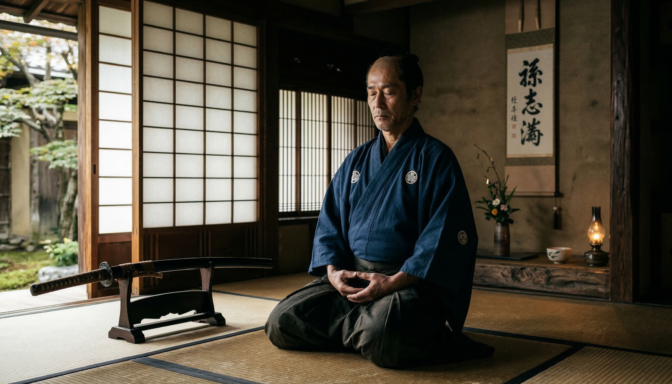
In addition to combat skills, samurai were often expected to develop cultural abilities. Practices such as calligraphy, poetry, and meditation were considered important for maintaining balance and self-awareness. This combination of martial skill and personal cultivation formed the foundation of samurai training.
Today, the samurai no longer exist as a social class, but aspects of their training continue through modern martial arts such as kendo and other traditional disciplines. Understanding what samurai training meant historically helps explain how these practices have evolved and how they can still be experienced in Japan today.
The Historical Training of Samurai Warriors
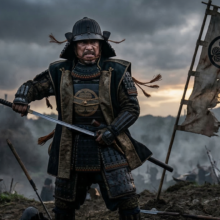
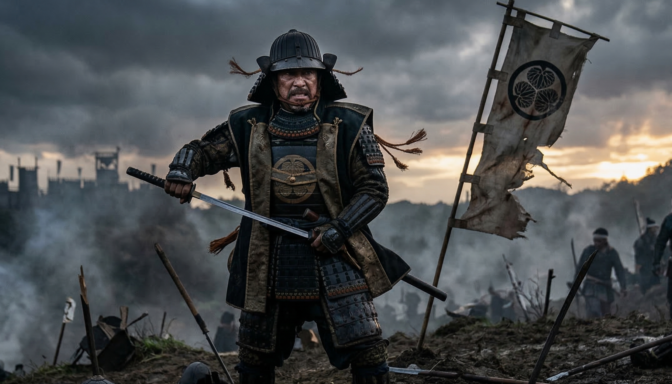
The historical training of samurai warriors was a system of physical, mental, and moral discipline designed to prepare members of Japan’s warrior class for both combat and responsible service. Samurai training was not limited to fighting techniques; it aimed to cultivate character, loyalty, and the ability to remain calm and decisive under pressure.
In the early periods of Japanese history, samurai trained primarily in martial skills necessary for battlefield combat. Swordsmanship, archery, and horseback riding were among the most important abilities. Warriors practiced these skills repeatedly to develop speed, accuracy, and the ability to act instinctively in dangerous situations.
Over time, especially during the long peace of the Edo period, samurai training expanded beyond combat techniques. Warriors were expected to develop discipline and moral character through ideas later associated with bushido, often described as the ethical path of the warrior. Influences from Zen Buddhism and Confucian thought encouraged reflection, self-control, and a sense of duty toward society.
Training also included cultural practices such as calligraphy, literature, and strategic study. These activities reflected the belief that a warrior should cultivate both intellectual and physical abilities. This broader approach to training shaped the image of the samurai not only as fighters, but also as individuals who pursued lifelong self-improvement. Understanding these historical practices helps explain how modern martial arts developed from the traditions of the samurai.
Martial Arts Connected to Samurai Tradition
Martial arts connected to samurai tradition are disciplines that developed from the combat practices used by Japan’s historical warrior class. These martial arts were originally created to train samurai for real combat situations, but over time many evolved into systems focused on personal development, discipline, and cultural preservation.
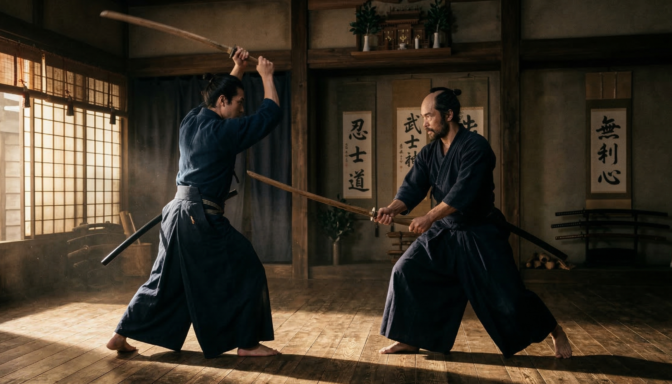
Several well-known Japanese martial arts trace their origins to samurai training. Kenjutsu, the traditional art of swordsmanship, was one of the most important skills for samurai, as the sword was considered the warrior’s primary weapon. Iaido developed from techniques for drawing and striking with the sword in a single motion, emphasizing awareness and precision. Archery, practiced as kyudo today, was also a central skill for warriors during earlier periods of Japanese history.
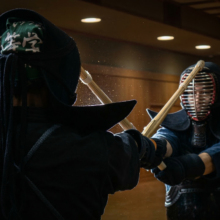
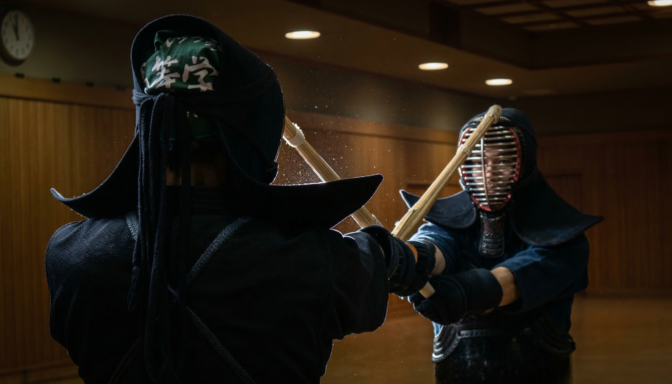
In the modern era, many of these traditions were adapted into forms of budo, or martial ways, which place greater emphasis on character development and lifelong training. One of the most widely practiced examples is kendo, a martial art that evolved from samurai sword training. Using protective armor and bamboo swords, practitioners train in striking techniques, posture, and strong spirit while following strict etiquette in the dojo.
Through these practices, martial arts connected to samurai culture continue to preserve aspects of the discipline and mindset associated with the warrior class. Understanding these traditions helps explain how elements of samurai training still exist in modern Japan.
Can Tourists Experience Samurai Training in Japan?
Yes, tourists can experience forms of samurai-inspired training in Japan through cultural programs and introductory martial arts activities designed for visitors. While these experiences cannot fully replicate the lifelong training of historical samurai, they offer a way to learn about the traditions, discipline, and mindset associated with Japan’s warrior culture.
Many samurai training experiences for visitors begin with an introduction to samurai history and the philosophy often associated with bushido, or the way of the warrior. Instructors typically explain how samurai valued discipline, respect, and self-control, and how these ideas shaped both their martial training and their conduct in society. Understanding this cultural background helps participants appreciate that samurai training was not only about combat techniques but also about developing character.
After this explanation, visitors may try basic movements inspired by traditional martial arts. Activities can include practicing simple sword techniques, learning proper bowing etiquette, or observing demonstrations by experienced practitioners. In some programs, participants may also experience introductory training in modern martial arts such as kendo, which developed from the sword training of the samurai.
These experiences are usually designed to be safe and accessible for beginners, allowing travelers to engage with Japanese martial traditions in a respectful and educational setting. To better understand what these activities involve, it is helpful to explore the different types of samurai training experiences available in Japan.
Types of Samurai Training Experiences for Visitors
Samurai training experiences for visitors are cultural programs that introduce aspects of samurai discipline through historical explanation, martial arts practice, and traditional etiquette. These activities are designed to help travelers understand the values and training methods associated with Japan’s warrior culture while remaining accessible to beginners.
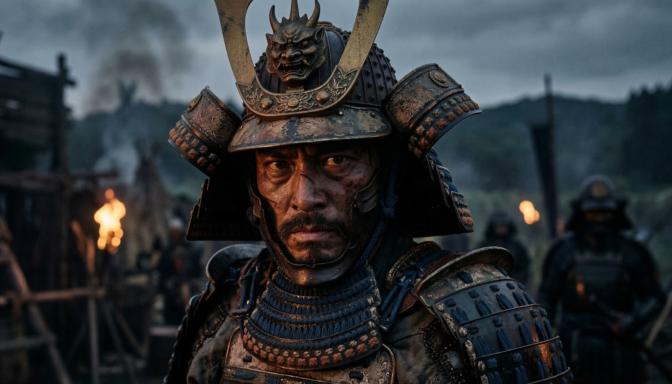
One common type focuses on historical and cultural learning. In these experiences, visitors may see traditional samurai armor, learn about the role of the samurai in Japanese society, and hear explanations about the philosophy often associated with bushido. Some programs also allow participants to wear traditional clothing or armor, helping them imagine how samurai prepared for battle and daily life.
Another type centers on introductory martial arts training. Participants may practice basic movements inspired by disciplines such as kenjutsu, iaido, or kendo, which developed from the sword training historically practiced by samurai. Instructors usually explain etiquette, posture, and the mindset behind martial arts training, helping visitors understand that samurai discipline involved both physical technique and mental focus.
There are also experiences that emphasize the philosophical side of samurai culture. These programs may include discussions about bushido, meditation, or lessons about how samurai values influenced Japanese society and martial arts traditions. Understanding these different types of experiences helps visitors decide which approach best fits their interests when exploring samurai culture in Japan.
Kendo and Other Modern Samurai Martial Arts
Kendo and other modern samurai martial arts are contemporary disciplines that developed from the combat training historically practiced by the samurai. Although the samurai class no longer exists, several Japanese martial arts continue to preserve aspects of their training methods, discipline, and philosophy.
One of the most widely practiced examples is kendo, which evolved from traditional sword training used by samurai. The word kendo means “the way of the sword,” and the practice focuses on both technique and character development. Practitioners wear protective armor and use bamboo swords called shinai to practice strikes in a controlled environment. Along with physical skill, kendo emphasizes mental focus, strong spirit, and proper etiquette in the dojo.
Other martial arts also maintain connections to samurai traditions. Iaido focuses on drawing and cutting with the sword in a single movement, emphasizing awareness, calmness, and precision. Kyudo, the traditional Japanese art of archery, reflects the importance of concentration and posture valued in earlier warrior training. Each of these disciplines reflects different aspects of the skills that samurai once practiced.
Today, these martial arts are practiced around the world as forms of budo, or martial ways, which emphasize lifelong training and personal development. Through disciplines such as kendo, elements of samurai culture and bushido continue to influence how martial arts are practiced in modern Japan. Understanding these arts helps explain how the spirit of samurai training remains present today.
Where to Try Samurai Training in Japan
Samurai training experiences in Japan can be found in several cities where cultural programs introduce visitors to traditional martial arts and samurai history. While historical samurai training no longer exists in its original form, many modern martial arts schools and cultural centers offer beginner-friendly experiences that allow visitors to explore elements of samurai discipline and practice.
Tokyo is one of the most accessible places to try samurai-inspired training. The city offers a variety of programs where visitors can learn about samurai culture, practice basic sword movements, and observe demonstrations by experienced martial artists. Some experiences focus on historical explanations and cultural context, while others introduce modern martial arts such as kendo, which developed from the sword training practiced by samurai.
Kyoto is another popular location for samurai-related experiences. As a former imperial capital with many historical sites, Kyoto offers programs that often emphasize traditional culture alongside martial arts demonstrations. Visitors may learn about the social role of the samurai while observing sword techniques connected to historical schools of swordsmanship.
In addition to these major cities, smaller martial arts schools and cultural centers across Japan occasionally provide introductory training sessions for visitors. These experiences help travelers gain a deeper appreciation of Japanese martial traditions and the values associated with bushido. Understanding where these activities are available can help visitors plan how to experience samurai culture during their time in Japan.
Visitors who are interested in experiencing modern martial arts connected to samurai traditions can also find programs in Tokyo that introduce kendo practice together with explanations of bushido and Japanese martial culture. One example is Kendo Spirit, where visitors are introduced to the discipline and etiquette of kendo in a beginner-friendly environment.
Conclusion
Tourists cannot train exactly as historical samurai once did, but they can explore many aspects of samurai culture through modern martial arts and cultural programs in Japan. By learning about bushido, observing traditional martial arts, and practicing introductory techniques, visitors can gain insight into the discipline and mindset that shaped Japan’s warrior class.
Experiences connected to martial arts such as kendo allow travelers to see how elements of samurai training continue to influence Japanese culture today. Through these activities, visitors can develop a deeper appreciation of the historical traditions and values associated with the samurai.

Comment