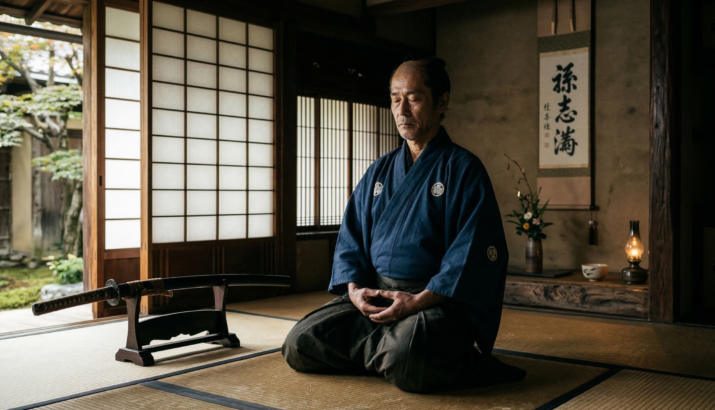
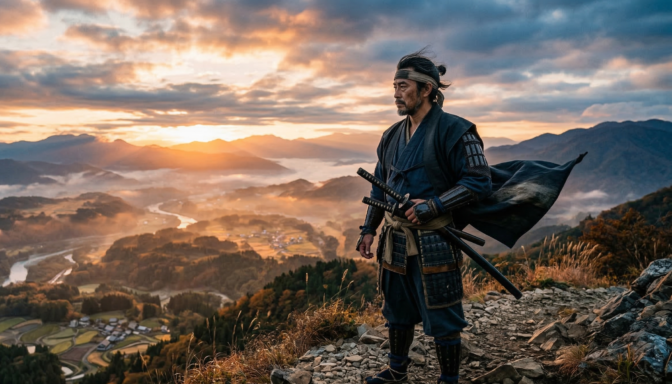
Bushido is written in Japanese as 「武士道」 and is often translated as “the way of the warrior.” The word refers to the ideals and values historically associated with the samurai, the warrior class of Japan. Rather than a single written rulebook, Bushido developed gradually over time and came to describe the way samurai were expected to live and conduct themselves.
Although Bushido originated within the world of the samurai, its influence has extended beyond the warrior class. Many of the ideas connected to Bushido, such as discipline, respect, and personal responsibility, have also shaped aspects of Japanese culture and thinking.
But was Bushido a fixed set of rules created by someone? What happened if a samurai failed to follow these ideals? And are the words bushi and samurai actually the same?
To better understand these questions, it is helpful to explore how Bushido was defined, how it developed, and how its ideas continue to influence Japanese culture today.
Defining Bushido
There Is No Single Answer
When asking what Bushido is, it is important to understand that there is no single absolute definition. Bushido was not originally written down as a formal code with fixed rules. Instead, it gradually took shape through oral teachings, traditions, and writings by warriors and scholars over many centuries.
For this reason, the meaning of Bushido has often been interpreted differently depending on the historical period or the perspective of the person discussing it. Even today, the question “What is Bushido?” does not have one definitive answer.
Important Texts on Bushido
Several writings are often referenced when discussing Bushido. Among the most well known are The Book of Five Rings by Miyamoto Musashi and Hagakure, a collection of the sayings of Yamamoto Tsunetomo compiled by Tashiro Tsuramoto.
Another influential work is Bushido: The Soul of Japan by Nitobe Inazō. Written in English in the early twentieth century, this book introduced the idea of Bushido to many readers outside Japan and helped shape how the concept became known internationally.
Each of these works reflects a different historical context and perspective, but together they provide insight into how the values associated with the samurai were understood and expressed.
The Idea of Bushido
A Code of Conduct for the Samurai
Bushido can be broadly understood as a code of conduct associated with the samurai. It described ideals about how a warrior should behave and what kind of character a samurai should strive to cultivate.
In a period when warriors often faced life-and-death situations, the ability to remain faithful to one’s principles, even under extreme circumstances, was often considered a form of honor.
Who Were the Samurai?
The word samurai originally comes from the verb saburau, meaning “to serve.” It was first used to describe those who served the nobility.
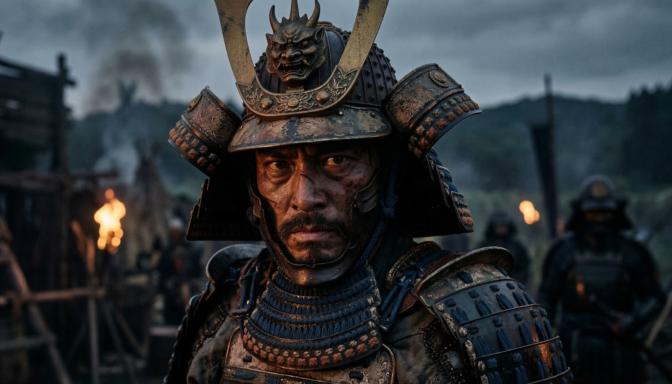
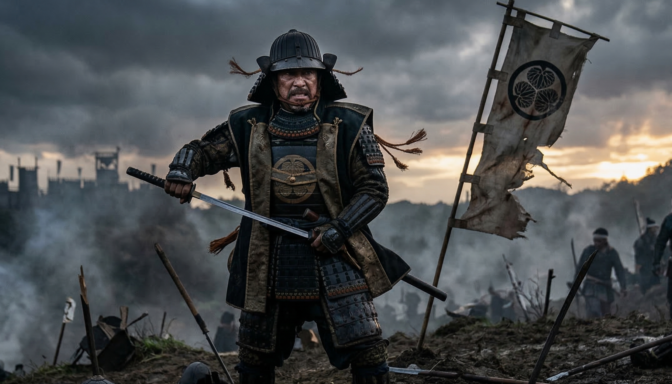
Over time, the meaning of the word changed. Today, the term samurai is commonly used to refer to the warrior class of premodern Japan who carried swords and served regional lords.
What Is the Right Path?
Following the “right path” did not necessarily mean that there was a single clear answer to what was right. Samurai often held their own beliefs about honor, loyalty, and responsibility, and these beliefs sometimes led them into conflict.
The idea behind Bushido was not simply obedience to rules, but the pursuit of a life lived according to one’s principles. However, this does not mean that violence or death should be justified simply because someone believes they are right.
Bushido According to Nitobe Inazō
In Bushido: The Soul of Japan, Nitobe Inazō described Bushido through a set of virtues that he believed characterized the samurai spirit. These included rectitude, courage, benevolence, sincerity, respect, honor, and loyalty.
These virtues are often understood not only as ideals for warriors but also as broader principles for how people might live with integrity and responsibility.
Bushido Is Not Only for Samurai
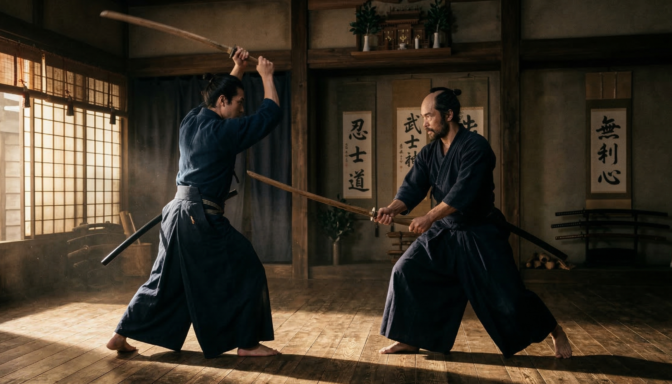
Bushido is often associated with swordsmanship and the samurai class, but many of the ideas connected to it go beyond warfare. For example, in The Book of Five Rings, Miyamoto Musashi wrote about pursuing mastery in one’s chosen path, whether in martial arts or another discipline.
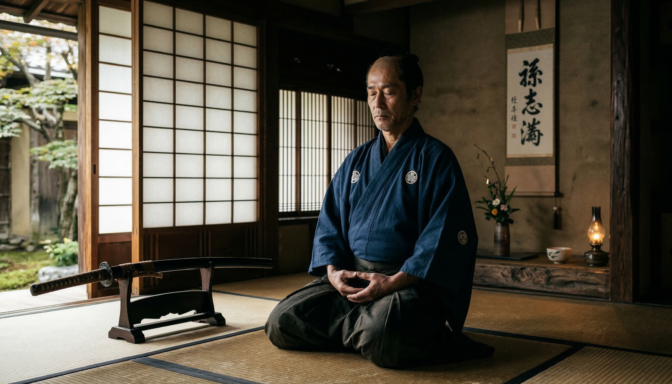
From this perspective, Bushido can be seen not only as the way of the warrior but also as a broader philosophy about personal development and dedication.
Formation of Bushido
How Did Bushido Develop?
The development of Bushido cannot be explained by a single cause. It is generally understood to have emerged gradually over time through a combination of cultural, political, and social influences.
Among the factors often discussed are the role of the Emperor, the structure of the feudal system, and the social conditions of the Edo period.
The Feudal System
Around a thousand years ago, samurai began to occupy central roles within Japan’s feudal system. In this system, warriors served regional lords known as daimyo and were granted land or income in return.
Because formal legal systems and contracts were less developed than they are today, relationships between lords and retainers often depended heavily on trust. Loyalty, honesty, and personal discipline became essential qualities in maintaining this social structure.
Over time, these values became closely associated with the conduct expected of samurai.
The Edo Period
During the Edo period (1603–1868), Japan experienced a long period of relative peace. Samurai increasingly served as administrators, officials, and local authorities rather than battlefield warriors.
Because they held social authority and often carried weapons, strong expectations were placed on their behavior and character. Maintaining social order required self-discipline and a sense of responsibility.
In this environment, ideas about personal cultivation and moral conduct became increasingly important. These developments contributed to the body of thought that later came to be described as Bushido.
Bushido Today
The Meiji Period
With the start of the Meiji period in 1868, major social reforms brought the feudal system to an end. The samurai class was abolished, and the Haitōrei edict prohibited the wearing of swords in public.
Although the samurai disappeared as a social class, many of the values associated with Bushido continued to influence Japanese culture.
Bushido and Modern Martial Arts
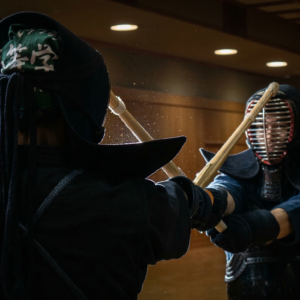
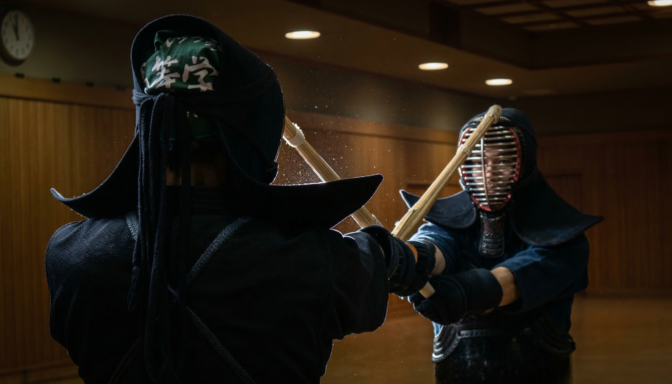
One way in which these ideas continued was through martial arts such as kendo. Kendo developed from earlier sword training methods practiced by samurai and emphasizes discipline, respect, and personal development.
Practitioners bow before and after training, show respect to opponents and instructors, and view competition as a means of self-improvement rather than an end in itself.
Although the samurai themselves no longer exist, the values that shaped their way of life continue to influence martial arts and cultural traditions in Japan today.
Related Topics
To understand Bushido more deeply, it is helpful to explore related topics such as samurai culture, Japanese martial arts, and the traditions that developed from samurai training.
For example, kendo is often considered one of the modern disciplines that preserves aspects of the samurai tradition. Exploring these connections can provide a deeper understanding of how the ideas associated with Bushido continue to influence Japanese culture today.

Comment