- What Is a Samurai Experience in Tokyo
- The History and Philosophy Behind Samurai Culture
- Types of Samurai Experiences Available in Tokyo
- Kendo as a Modern Samurai Training Experience
- Popular Samurai Experiences for Visitors in Tokyo
- How to Choose the Right Samurai Experience
- Frequently Asked Questions About Samurai Experiences in Tokyo
- Conclusion
What Is a Samurai Experience in Tokyo
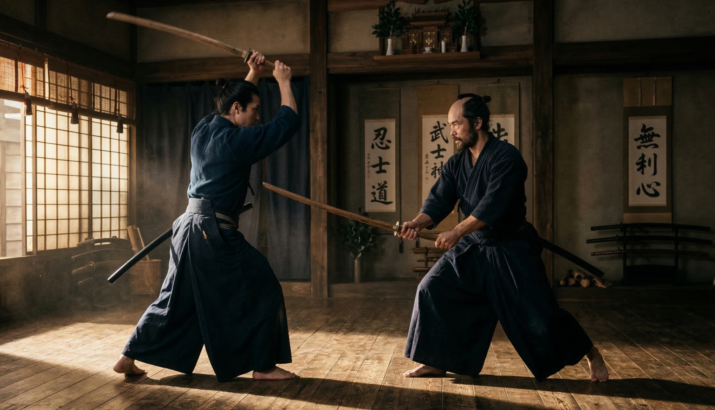
A samurai experience in Tokyo is an activity that introduces visitors to samurai culture through cultural explanation, traditional etiquette, and introductory martial arts practice inspired by the training of Japan’s historical warrior class. These programs are designed to help participants understand not only how samurai fought, but also how they trained their minds and character.
Many experiences begin with a brief introduction to samurai history and the philosophy known as bushido, often translated as “the way of the warrior.” Bushido emphasized qualities such as discipline, respect, courage, and loyalty. Learning about these values helps visitors understand that samurai culture was not defined solely by combat, but also by personal conduct and moral responsibility.
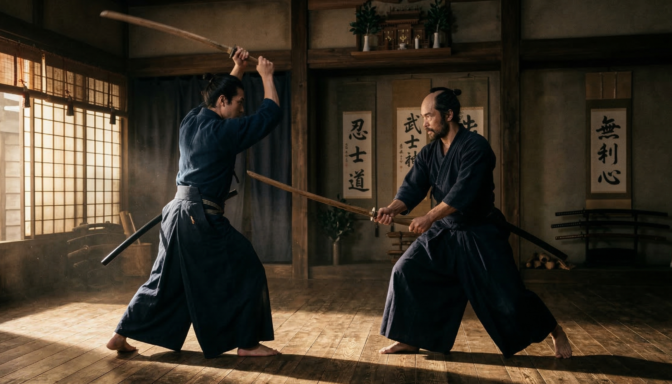
After this cultural explanation, participants may try simple activities connected to traditional martial arts. In Tokyo, this often includes practicing basic movements from disciplines such as kendo or kenjutsu, learning proper bowing etiquette, or observing demonstrations by experienced practitioners. These activities are typically designed for beginners and focus on experiencing the atmosphere and mindset of samurai training rather than mastering complex techniques.
Through this combination of historical context and practical experience, visitors gain a clearer understanding of how samurai traditions continue to influence Japanese martial arts and cultural identity today. To better understand what these programs offer, it is helpful to look at the different types of samurai experiences available in Tokyo.
The History and Philosophy Behind Samurai Culture
Samurai culture developed over many centuries in Japan as the way of life practiced by the warrior class who served powerful regional lords known as daimyo. These warriors were not only soldiers but also members of a social class expected to follow standards of discipline, loyalty, and responsibility. Their role in society combined military service with moral expectations that shaped how they behaved both in battle and in everyday life.
Central to samurai culture was the philosophy often described as bushido, or “the way of the warrior.” Bushido was not a single written code but a set of ideals influenced by Zen Buddhism, Confucian ethics, and traditional Japanese values. Concepts such as honor, courage, respect, and self-control became qualities commonly associated with the samurai. These principles influenced how they trained, served their lords, and approached personal conduct.
Samurai training also emphasized the development of both physical skill and mental discipline. Warriors practiced martial arts such as swordsmanship while also engaging in activities like meditation, calligraphy, and strategic study. This balance reflected the belief that a warrior should cultivate both the body and the mind.
Although the samurai class disappeared in the late nineteenth century, many of these ideas continue to influence Japanese martial arts today. Understanding this historical background helps visitors appreciate how modern practices such as kendo reflect aspects of the samurai tradition.
Types of Samurai Experiences Available in Tokyo
Samurai experiences in Tokyo can be broadly understood as cultural and educational activities that introduce visitors to the traditions, skills, and mindset associated with Japan’s historical warrior class. These programs vary in style, but most aim to help participants understand samurai culture through a combination of historical explanation and practical activities.
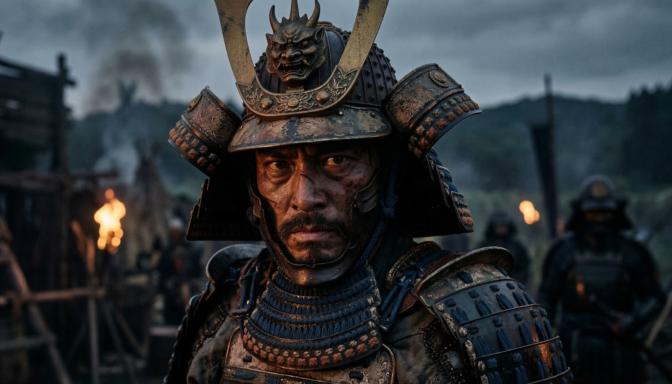
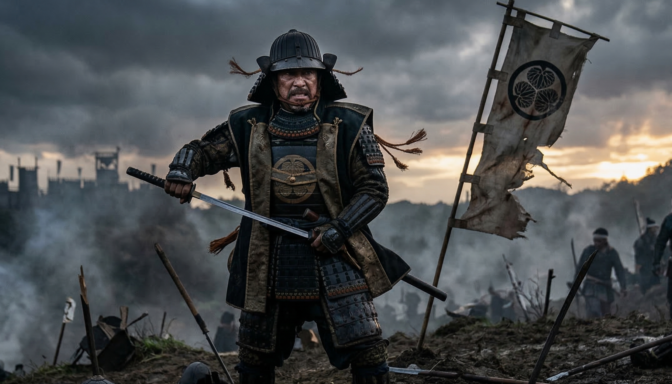
One common type focuses on cultural demonstrations and historical learning. In these experiences, visitors may see traditional samurai armor, learn about weapons used during the feudal era, and hear explanations about the social role of the samurai. Some programs also allow participants to wear traditional clothing or armor to better imagine how warriors lived and prepared for battle.
Another type centers on martial arts training inspired by samurai combat traditions. Participants may learn basic movements from disciplines such as kendo, kenjutsu, or iaido while also practicing etiquette such as bowing and proper posture. These introductory sessions are usually designed for beginners and emphasize understanding the discipline and mindset associated with samurai training.
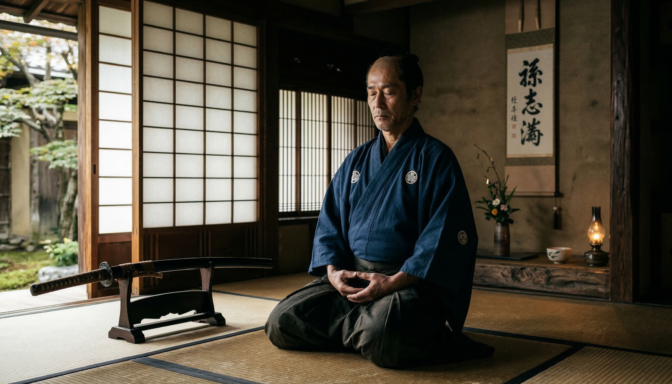
There are also experiences that explore the philosophical side of samurai culture. These programs may include discussions about bushido, meditation practices, or lessons about how samurai values influenced Japanese society. Understanding these different approaches helps visitors choose the type of samurai experience that best matches their interests and expectations when visiting Tokyo.
Kendo as a Modern Samurai Training Experience
Kendo is a modern Japanese martial art that developed from sword training historically practiced by the samurai and is often considered one of the closest ways to experience aspects of samurai discipline today. The word kendo means “the way of the sword,” reflecting both the physical techniques of swordsmanship and the philosophical ideas connected to training and self-development.
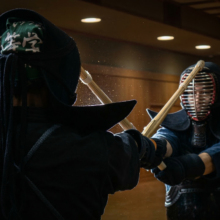
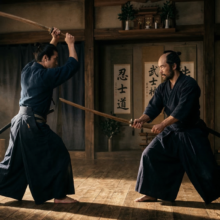
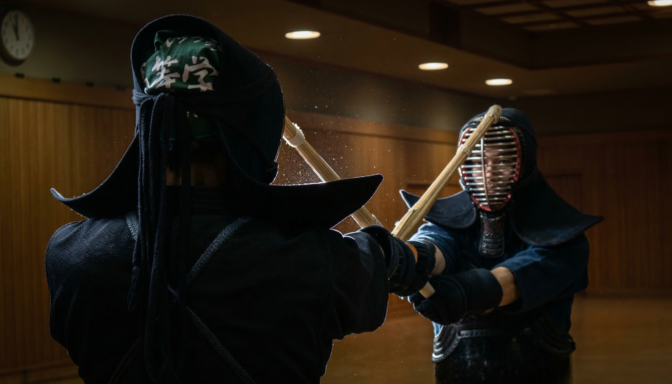
In kendo practice, participants wear protective armor and use bamboo swords called shinai to simulate sword combat in a controlled and respectful environment. Training focuses on timing, posture, and precise striking techniques, but equal importance is placed on mental focus and strong spirit. This balance between physical skill and inner discipline reflects ideas commonly associated with samurai culture and bushido.
Kendo training also emphasizes etiquette and respect. Practitioners bow to each other before and after practice, follow dojo rules, and demonstrate consideration toward training partners. These customs help preserve cultural values connected to Japanese martial arts while creating a structured environment for learning.
Because of this combination of technique, discipline, and philosophy, many visitors see kendo as a meaningful way to explore aspects of the samurai mindset. Understanding how kendo reflects elements of samurai training helps explain why it is often included in modern samurai experiences in Tokyo.
Popular Samurai Experiences for Visitors in Tokyo
Popular samurai experiences for visitors in Tokyo are cultural activities that allow participants to learn about samurai traditions through demonstrations, historical explanations, and introductory martial arts practice. These experiences are designed to make aspects of samurai culture accessible to international visitors while introducing the values and mindset associated with Japan’s historical warrior class.
Some programs focus on historical demonstrations and cultural education. Visitors may see traditional samurai armor, learn about weapons used during Japan’s feudal period, and hear explanations about the role of the samurai in society. These experiences sometimes include opportunities to wear traditional clothing or observe sword techniques performed by trained practitioners.
Other experiences emphasize martial arts training connected to samurai traditions. Participants may practice basic movements inspired by disciplines such as kenjutsu or kendo, learning how posture, timing, and focus are important in sword-based martial arts. In many cases, instructors also explain etiquette and concepts related to bushido, helping visitors understand the cultural ideas behind samurai training.
Tokyo is a convenient place for these activities because the city offers a range of programs designed for international travelers. As a result, visitors can explore samurai culture through experiences that combine historical explanation with introductory training. Understanding these options can help travelers decide which type of samurai experience best matches their interests.
Visitors who are particularly interested in martial arts sometimes look for experiences that include training in kendo, a modern martial art that developed from samurai sword practice. In Tokyo, programs such as Kendo Spirit offer visitors the opportunity to experience kendo training together with explanations of bushido and samurai culture.
How to Choose the Right Samurai Experience
Choosing the right samurai experience in Tokyo means selecting a program that matches your interests while helping you understand the cultural and historical background of the samurai. Because samurai experiences vary widely, it is useful to consider whether you are most interested in history, martial arts training, or the philosophy associated with samurai culture.
Some visitors prefer experiences that focus on historical learning. These programs often explain the role of the samurai in Japanese society, introduce traditional armor and weapons, and describe how warriors lived during the feudal period. This type of experience is helpful for travelers who want a cultural overview of samurai history and bushido philosophy without extensive physical activity.
Others are more interested in activities connected to martial arts traditions. In these programs, participants may try introductory movements from disciplines such as kendo, kenjutsu, or iaido. These experiences usually include instruction in etiquette, posture, and the mindset behind training, allowing visitors to experience aspects of the discipline associated with samurai warriors.
It is also helpful to look for programs led by knowledgeable instructors who can explain the cultural context of what participants are learning. Experiences that combine historical explanation with practical training often provide a deeper understanding of samurai culture. After choosing the right type of activity, visitors can better prepare themselves to enjoy the experience.
Frequently Asked Questions About Samurai Experiences in Tokyo
Samurai experiences in Tokyo are beginner-friendly cultural activities designed to introduce visitors to samurai history, martial arts traditions, and ideas associated with bushido. Many travelers wonder whether they need previous martial arts experience, but most programs are specifically created for people with no background in Japanese martial arts.
A common question is whether participants use real swords. In most cases, training activities use safe equipment such as wooden swords or bamboo swords. This allows visitors to practice basic movements inspired by traditional martial arts while maintaining a safe and controlled environment. Some experiences also include demonstrations by experienced practitioners to show how techniques are performed in disciplines like kendo or kenjutsu.
Visitors also frequently ask how long a samurai experience usually lasts. Many programs in Tokyo range from one to two hours and combine cultural explanation with hands-on activities. Participants often learn about samurai history, practice etiquette such as bowing, and try simple movements related to sword training.
Another question concerns historical authenticity. While modern samurai experiences are adapted for international visitors, many aim to preserve key ideas associated with samurai culture, including discipline, respect, and self-control. Understanding these common questions helps visitors feel more confident when deciding to explore samurai culture during their time in Tokyo.
Conclusion
Samurai experiences in Tokyo offer visitors an opportunity to explore Japanese history and culture through a combination of explanation, observation, and introductory martial arts practice. By learning about bushido, observing disciplines such as kendo or kenjutsu, and experiencing elements of traditional etiquette, travelers can gain a deeper understanding of the values historically associated with the samurai.
These activities provide insight into how samurai traditions continue to influence Japanese martial arts and cultural identity today. For many visitors, participating in a samurai experience becomes a meaningful way to connect with an important aspect of Japan’s historical and cultural heritage.

Comment