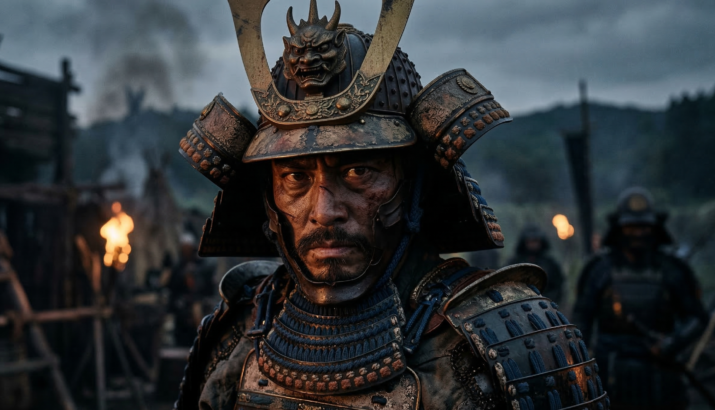
What Is Samurai Culture
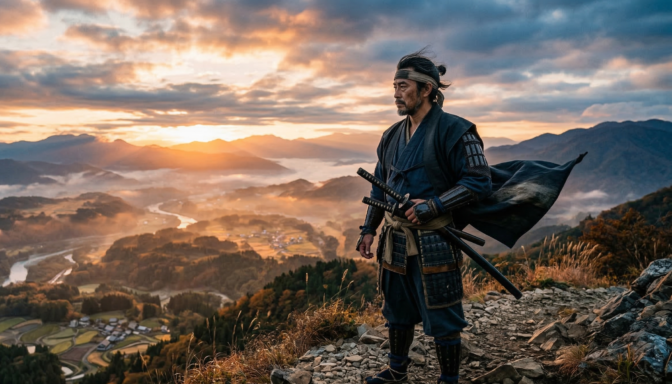
Samurai culture refers to the traditions, values, and way of life associated with the samurai, the warrior class that played a central role in Japanese society for many centuries. It developed through the daily practices, responsibilities, and beliefs of warriors who served regional lords and helped maintain political and social order.
At the center of samurai culture was a strong emphasis on discipline, loyalty, and personal conduct. These values are often connected to the idea of bushido, commonly translated as “the way of the warrior.” Although bushido was not a single written code, the term is often used to describe the ideals associated with samurai life, including courage, respect, honesty, and self-control.
Samurai culture was not limited to combat skills. While warriors trained in martial arts such as swordsmanship and archery, they were also expected to develop intellectual and cultural abilities. Activities such as calligraphy, poetry, and strategic study were considered important parts of cultivating a balanced and disciplined character.
Although the samurai class disappeared in the late nineteenth century, many aspects of samurai culture continue to influence Japanese society and martial arts today. Traditions such as kendo, along with broader ideas about discipline and respect, reflect elements of this historical legacy. Understanding what samurai culture is provides a foundation for exploring how it developed throughout Japanese history.
The Historical Origins of Samurai Culture
Samurai culture originated from the social and military system that developed in Japan between the late Heian period and the rise of later warrior governments. During this time, armed warriors known as samurai gradually became an important political and military force, serving powerful regional leaders called daimyo. Their responsibilities included protecting land, maintaining order, and participating in conflicts that shaped the political landscape of Japan.
As the samurai class grew in influence, a distinct warrior culture began to form. This culture emphasized loyalty to one’s lord, discipline in daily life, and the ability to remain composed in dangerous situations. Over time, these expectations influenced how samurai trained, behaved, and understood their role within society. The values later associated with bushido, often described as the ethical path of the warrior, emerged from this historical environment.
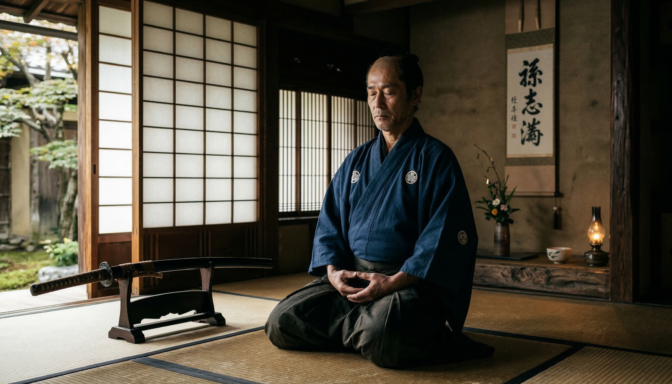
The development of samurai culture was also shaped by broader intellectual and religious influences. Ideas from Zen Buddhism encouraged mental focus and calmness, while Confucian thought emphasized duty, hierarchy, and social responsibility. These influences helped shape the moral and philosophical framework often connected to samurai life.
By the Edo period, when Japan experienced a long period of peace, samurai culture continued to evolve. Warriors increasingly focused on personal discipline, education, and cultural refinement in addition to martial training. This historical background helps explain how the traditions of the samurai influenced later martial arts and aspects of Japanese cultural identity.
Core Values of Samurai and Bushido
The core values of samurai culture are often associated with the concept known as bushido, commonly translated as “the way of the warrior.” Bushido refers to a set of ideals that came to describe the ethical principles and personal conduct expected of samurai. Although it was not a single written code, the term is widely used to represent the values that shaped the mindset and behavior of Japan’s warrior class.
Among the qualities most frequently connected to bushido are discipline, loyalty, courage, honesty, and respect. Samurai were expected to remain faithful to their lord, maintain self-control even in difficult situations, and act with integrity in both public and private life. These values helped establish trust within the hierarchical society in which samurai served political and military leaders.
Bushido was also influenced by several intellectual traditions. Confucian ethics emphasized loyalty, social responsibility, and respect for authority, while Zen Buddhism encouraged mental focus, calmness, and awareness. Together, these influences contributed to a moral framework that encouraged samurai to cultivate both strength and character.
Although the samurai class disappeared in the late nineteenth century, many of these values continue to influence Japanese martial arts today. Disciplines such as kendo often emphasize etiquette, respect for training partners, and personal development, reflecting ideas long associated with samurai culture and bushido. Understanding these values helps explain how samurai culture shaped both historical society and modern martial traditions.
Martial Arts and Skills of the Samurai
The martial arts and skills of the samurai were practical abilities developed to prepare warriors for combat, leadership, and disciplined living. Samurai were trained not only to fight effectively but also to maintain composure, awareness, and control in dangerous situations. These skills formed an essential part of samurai culture and reflected the broader values associated with bushido.
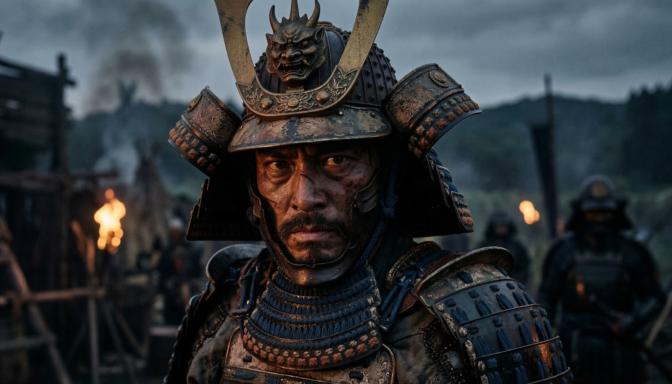
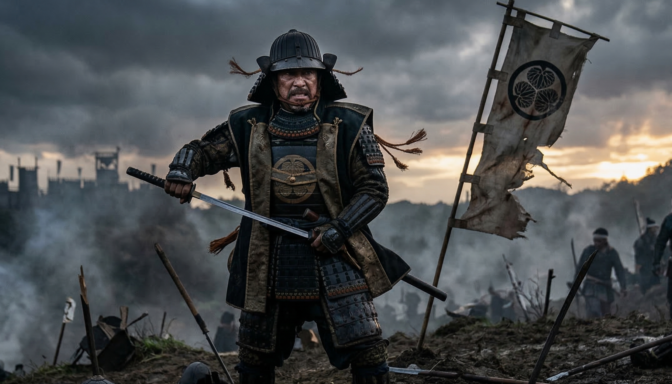
One of the most important skills for samurai was swordsmanship. The Japanese sword, or katana, became a central symbol of the warrior class, and many schools of sword training developed to teach techniques for striking, defending, and controlling distance. In addition to swordsmanship, samurai also practiced archery, which played a significant role in earlier periods of warfare, particularly when fighting on horseback.
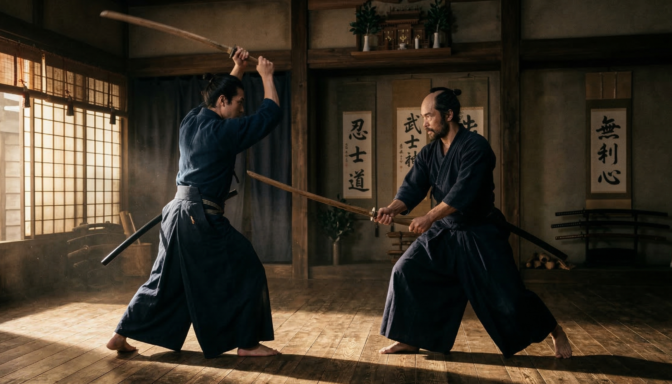
Samurai training extended beyond weapons practice. Warriors were expected to develop physical coordination, strategic thinking, and strong mental focus. These qualities were cultivated through repeated practice, strict discipline, and attention to proper etiquette. Training environments emphasized respect for teachers, training partners, and the traditions being practiced.
Many of these martial traditions later evolved into modern forms of budo, or martial ways. For example, kendo developed from historical sword training and continues to emphasize discipline, strong spirit, and respect within the dojo. By examining the martial arts and skills of the samurai, it becomes easier to understand how their training traditions continue to influence Japanese martial arts today.
How Samurai Culture Influenced Japanese Society
Samurai culture influenced Japanese society through its emphasis on discipline, loyalty, responsibility, and respect for social order. For many centuries, samurai served as both military leaders and administrators, and their values shaped political systems, social relationships, and expectations of personal conduct within Japanese society.
During the feudal period, samurai held positions of authority under regional lords known as daimyo. Because they carried weapons and were responsible for maintaining order, their behavior was expected to reflect a high level of self-discipline and moral responsibility. Ideas associated with bushido, such as loyalty, honor, and respect for hierarchy, gradually became linked with the broader social structure of the time.
Samurai culture also influenced education and cultural practices. Members of the warrior class were encouraged to study literature, philosophy, and strategy in addition to martial training. This combination of intellectual and physical discipline contributed to the idea that personal development should involve both the mind and the body.
Even after the samurai class was abolished in the late nineteenth century, many of these values continued to shape aspects of Japanese culture. Ideas related to respect, self-discipline, and dedication to one’s role are often reflected in modern institutions such as schools, companies, and traditional martial arts like kendo. Understanding this influence helps explain why samurai culture remains an important reference point when discussing Japanese history and cultural identity.
Samurai Traditions in Modern Japan
Samurai traditions in modern Japan can be seen in cultural practices, martial arts, and social values that reflect ideas historically associated with the warrior class. Although the samurai themselves no longer exist as a social group, elements of their mindset and discipline continue to influence aspects of Japanese culture today.
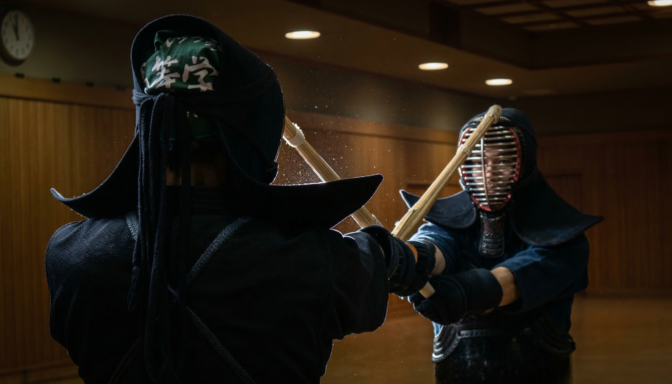
One of the clearest examples is found in Japanese martial arts. Practices such as kendo, iaido, and kyudo developed from the training methods of samurai and still emphasize discipline, respect, and self-improvement. In kendo, for example, practitioners follow strict etiquette, bow to their training partners, and aim to develop both technical skill and strong character. These customs reflect ideas connected to bushido, often described as the ethical path of the warrior.
Samurai traditions can also be observed in cultural attitudes toward responsibility, perseverance, and dedication to one’s role. In schools, workplaces, and traditional arts, people often emphasize effort, discipline, and respect for others. While these values have many historical influences, they are sometimes discussed in connection with the legacy of samurai culture.
In addition, museums, historical sites, and cultural programs across Japan continue to share knowledge about the samurai and their way of life. Through martial arts, education, and cultural preservation, aspects of samurai tradition remain visible in contemporary Japanese society. Understanding these modern connections helps explain why samurai culture continues to attract global interest today.
Where to Experience Samurai Culture Today
Samurai culture can still be experienced today through historical sites, cultural institutions, and traditional martial arts practiced across Japan. Although the samurai class disappeared in the nineteenth century, the traditions connected to their way of life continue to be preserved and shared through education, cultural programs, and martial arts training.
Many visitors encounter samurai culture by exploring historical locations such as castles, museums, and preserved towns. Cities such as Tokyo, Kyoto, and Kanazawa offer exhibitions that explain the role of the samurai in Japanese history, display armor and weapons, and present the social structure in which warriors once lived. These places provide historical context that helps visitors understand how samurai culture developed and influenced Japanese society.
Another way to experience aspects of samurai tradition is through martial arts. Disciplines such as kendo, iaido, and kyudo developed from the combat training of samurai and continue to emphasize discipline, etiquette, and personal development. In these training environments, practitioners learn not only physical techniques but also the mindset often associated with bushido.
Cultural workshops and educational experiences also introduce visitors to elements of samurai life, including etiquette, philosophy, and traditional practices. Through these activities, people can gain a deeper understanding of the values connected to samurai culture and how those ideas remain present in modern Japan. Learning where these experiences are available helps visitors explore this historical tradition in a meaningful way.
Conclusion
Samurai culture represents a complex tradition shaped by centuries of history, social structure, and philosophical thought in Japan. It combined martial training with moral ideals, intellectual pursuits, and expectations of disciplined conduct.
Although the samurai themselves no longer exist as a social class, many elements of their culture continue to influence Japanese martial arts, education, and cultural identity. Through practices such as kendo and through continued interest in bushido and samurai history, aspects of this tradition remain visible today.
Understanding samurai culture offers insight into an important part of Japan’s past and helps explain why the legacy of the samurai continues to capture global interest.

Comment