- What Is a Samurai Experience in Japan
- The Origins of Samurai Culture and Bushido
- Types of Samurai Experiences Available in Japan
- Samurai Training and Martial Arts Today
- Where to Try a Samurai Experience in Japan
- How to Choose an Authentic Samurai Experience
- Frequently Asked Questions About Samurai Experiences
- Conclusion
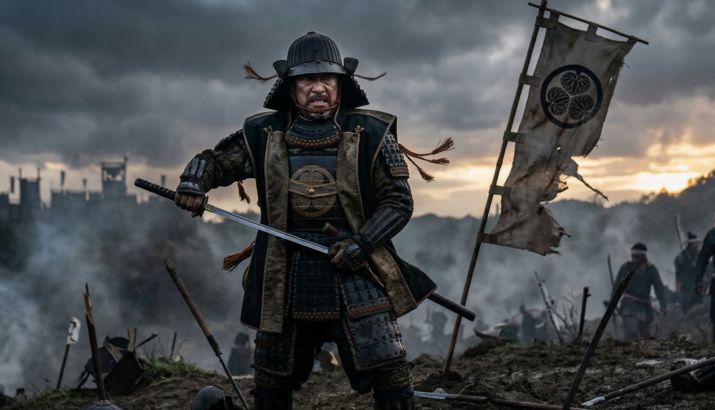
What Is a Samurai Experience in Japan
A samurai experience in Japan is an activity that allows visitors to learn about samurai culture through hands-on training, traditional etiquette, and historical explanation. These experiences are designed to introduce the values, skills, and mindset commonly associated with the samurai class, who served as Japan’s warrior elite for centuries.
In many samurai experiences, participants begin by learning about the history of the samurai and the philosophy known as bushido, often translated as “the way of the warrior.” Bushido emphasized virtues such as discipline, loyalty, respect, and self-control. Understanding these values helps visitors see that samurai culture was not only about combat, but also about character and moral conduct.
After the cultural introduction, participants may try activities inspired by traditional martial arts. These can include practicing basic sword movements, learning proper bowing etiquette, or experiencing modern martial arts that evolved from samurai training. The goal is not to master techniques, but to gain a deeper appreciation of how samurai approached training and personal development.
Today, samurai experiences are offered in several forms across Japan, from historical demonstrations to martial arts-based programs. Understanding these different types helps visitors choose the experience that best matches their interests and expectations.
The Origins of Samurai Culture and Bushido
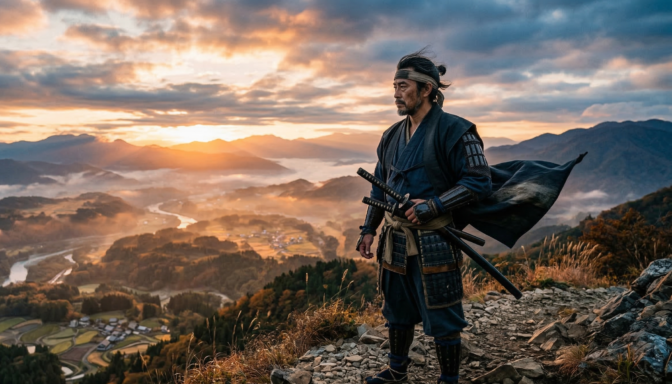
Samurai culture originated in medieval Japan as a way of life practiced by the warrior class who served regional lords known as daimyo. Over several centuries, these warriors developed a distinct social role defined not only by military skill but also by a strong code of conduct that shaped their behavior in both battle and daily life.
Central to this culture was bushido, often translated as “the way of the warrior.” Bushido was not a single written rulebook but a set of ideals that evolved through influences from Zen Buddhism, Confucian ethics, and Japanese social traditions. Values such as loyalty, honor, courage, discipline, and respect became qualities commonly associated with the samurai. These principles influenced how they trained, served their lords, and approached personal responsibility.
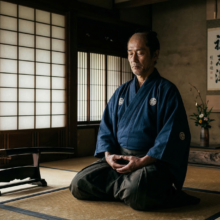
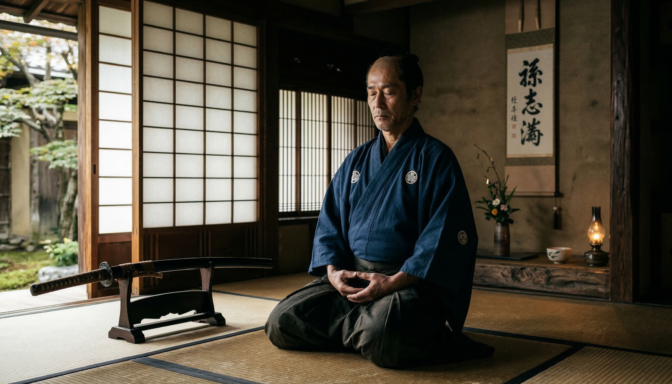
Samurai culture also emphasized continuous self-improvement. Training in martial arts such as swordsmanship was important, but so were practices like meditation, calligraphy, and strategic thinking. The goal was to cultivate both physical ability and mental discipline, preparing warriors for conflict while maintaining composure and moral awareness.
Although the samurai class officially disappeared in the late nineteenth century, the influence of bushido and samurai ideals continues to shape aspects of Japanese culture today. Understanding these origins helps explain why many modern experiences and martial arts in Japan still reflect elements of the samurai tradition.
Types of Samurai Experiences Available in Japan
Samurai experiences in Japan come in several forms, ranging from cultural demonstrations to hands-on martial arts activities. These experiences are designed to introduce visitors to the traditions, skills, and values associated with the samurai while making the history accessible to people without prior knowledge of Japanese culture.
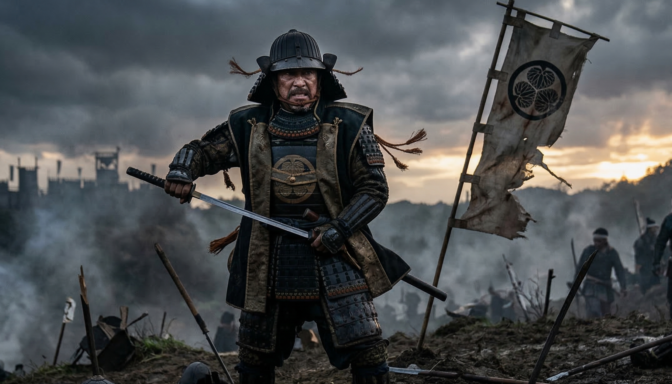
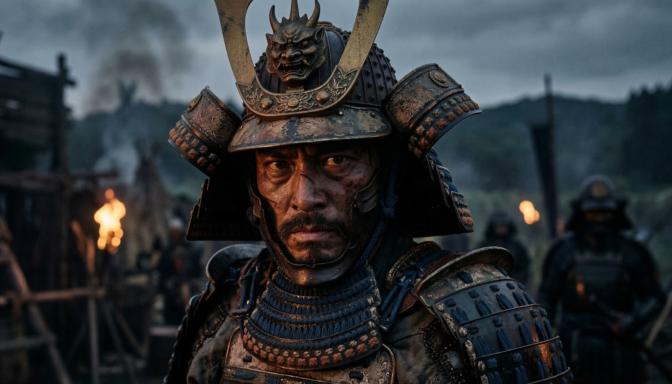
One common type is the historical or costume-based experience. In these programs, participants may wear samurai armor or traditional clothing and learn about the history of the samurai era. Some also include demonstrations of sword techniques or guided explanations about weapons, armor, and battlefield strategies. These experiences often focus on visual and historical aspects, helping visitors imagine what life might have been like during the samurai period.
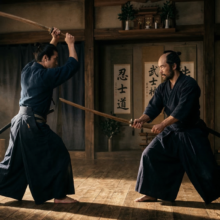
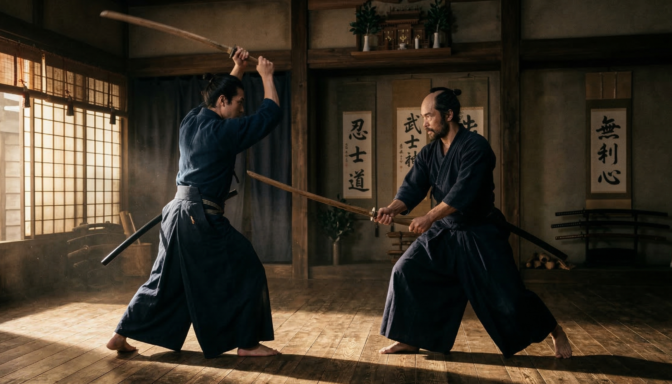
Another type focuses on traditional martial arts training inspired by samurai combat practices. Visitors may learn basic movements from disciplines such as kenjutsu, iaido, or kendo. These programs often include instruction in etiquette, posture, and the mindset behind martial arts training. Rather than staged performances, the emphasis is on understanding the discipline and philosophy that shaped samurai warriors.
There are also cultural workshops that explore the broader world of samurai life, including calligraphy, meditation, or lessons about bushido ethics. Each style offers a different perspective, so understanding these variations helps visitors choose an experience that best matches their interests.
Samurai Training and Martial Arts Today
Samurai training today refers to modern martial arts and disciplines that preserve techniques, values, and training methods that originated with the samurai warrior class. Although the samurai themselves disappeared as a social class in the late nineteenth century, many of the martial traditions they practiced continued to evolve into structured martial arts that are still practiced in Japan and around the world.
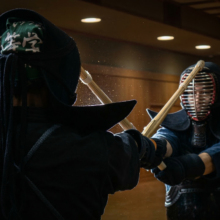
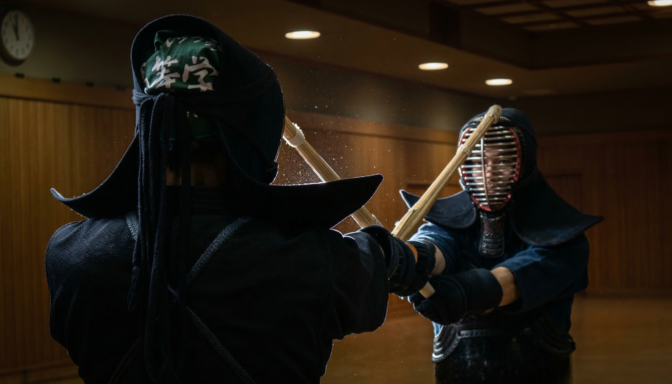
Several martial arts are closely connected to samurai combat traditions. Kendo developed from sword training historically practiced by samurai and focuses on discipline, timing, and controlled strikes with bamboo swords. Iaido emphasizes the precise and mindful drawing of the sword, reflecting the importance of awareness and composure in samurai culture. Kenjutsu, which preserves older sword techniques, is practiced in some traditional schools that maintain historical training methods.
Modern martial arts training also reflects philosophical ideas associated with bushido. Practitioners are expected to show respect, self-control, and dedication to continuous improvement. Training often includes etiquette such as bowing, maintaining proper posture, and demonstrating consideration for training partners, all of which echo values historically linked with the samurai.
Today, visitors interested in samurai culture can encounter these traditions through martial arts demonstrations, dojo visits, or introductory training programs. Understanding how these modern disciplines developed from samurai practices helps explain how historical warrior traditions continue to influence Japanese culture.
Where to Try a Samurai Experience in Japan
Samurai experiences in Japan can be found in several cities where historical culture and martial traditions are actively preserved. These activities are often offered in places with connections to samurai history, allowing visitors to learn about the warrior class while experiencing elements of traditional training and etiquette.
Tokyo is one of the most accessible locations for samurai-related experiences. As Japan’s modern capital, it offers a wide variety of programs designed for international visitors, ranging from historical demonstrations to martial arts training. Some experiences focus on explaining samurai history and the philosophy of bushido, while others allow participants to try movements inspired by traditional martial arts such as kendo or kenjutsu.
Kyoto is another popular destination because it was once the imperial capital and remains closely associated with Japan’s historical culture. Visitors can find experiences that emphasize traditional clothing, sword demonstrations, and guided explanations of samurai life during Japan’s feudal period. These activities often take place in historical districts that help visitors imagine the environment in which samurai once lived.
Other regions such as Kanazawa and Nagano also offer opportunities to explore samurai culture through museums, preserved samurai residences, and martial arts demonstrations. Knowing where these experiences are located helps travelers choose a destination that best matches the type of samurai culture they wish to explore.
How to Choose an Authentic Samurai Experience
An authentic samurai experience is one that helps visitors understand the cultural values, discipline, and historical background associated with the samurai, rather than focusing only on costumes or staged performances. While many activities use the word “samurai” to attract tourists, the most meaningful experiences usually include elements of education, etiquette, and traditional training connected to Japanese martial culture.
One important factor to consider is whether the experience explains the philosophy behind samurai life, especially the concept of bushido. Bushido emphasized values such as respect, self-discipline, loyalty, and personal responsibility. Experiences that introduce these ideas alongside physical activities help participants understand that samurai culture was not only about fighting but also about character and mindset.
Another sign of authenticity is the presence of traditional martial arts instruction. Activities related to disciplines such as kendo, iaido, or kenjutsu often provide insight into how samurai historically trained and developed their skills. Even introductory lessons can help visitors appreciate the structure, etiquette, and concentration required in martial arts practice.
Finally, it is helpful to look for programs led by knowledgeable instructors who can explain the historical and cultural context of what participants are learning. Choosing an experience that combines cultural explanation with practical training allows visitors to gain a deeper understanding of samurai traditions before exploring specific types of samurai experiences available in Japan.
Frequently Asked Questions About Samurai Experiences
Samurai experiences often raise practical questions for visitors who want to understand what these activities involve and whether they require any prior knowledge. In general, a samurai experience is designed for beginners and usually does not require previous martial arts training. Most programs begin with an explanation of samurai history and bushido philosophy before introducing simple movements or demonstrations inspired by traditional martial arts.
Another common question is whether participants use real swords. In most cases, training activities use safe practice equipment such as wooden swords or bamboo swords. This allows visitors to learn basic movements while maintaining safety. Some experiences also include demonstrations by trained practitioners to show how techniques from martial arts like kendo or kenjutsu are performed.
Visitors also often ask how long a samurai experience lasts. Programs vary widely, but many sessions range from one to two hours and include a combination of cultural explanation, etiquette practice, and introductory training. The goal is to provide a balanced overview rather than intensive martial arts instruction.
Finally, travelers frequently wonder whether samurai experiences are historically accurate. While modern programs adapt traditions for visitors, many aim to preserve key elements of samurai culture such as respect, discipline, and the mindset associated with bushido. Understanding these practical details helps visitors feel more prepared when choosing a samurai experience during their trip to Japan.
Conclusion
A samurai experience offers visitors a way to explore Japanese history and culture through practical activities, historical explanation, and exposure to traditional martial arts. By learning about bushido, observing martial disciplines such as kendo or kenjutsu, and experiencing elements of samurai etiquette, travelers can gain a deeper appreciation of the values historically associated with Japan’s warrior tradition.

Comment